Understanding Bookkeeping Basics: A DIY Guide for Entrepreneurs


Introduction to Bookkeeping
Bookkeeping is an essential aspect of running a successful business. For entrepreneurs who prefer a hands-on approach, understanding the basics of bookkeeping can be both empowering and cost-effective. By managing your own books, you gain invaluable insights into your business’s financial health and can make informed decisions to drive growth.

Setting Up Your Bookkeeping System
Before diving into the numbers, it's important to establish a solid bookkeeping system. Choose between cash-based or accrual-based accounting, as each has its own advantages. Cash-based accounting records transactions when money changes hands, while accrual-based accounting records income and expenses when they are incurred.
Once you decide on a method, select bookkeeping software that suits your needs. Popular options like QuickBooks, Xero, or FreshBooks offer user-friendly interfaces and robust features to streamline your bookkeeping process.
Understanding Key Financial Statements
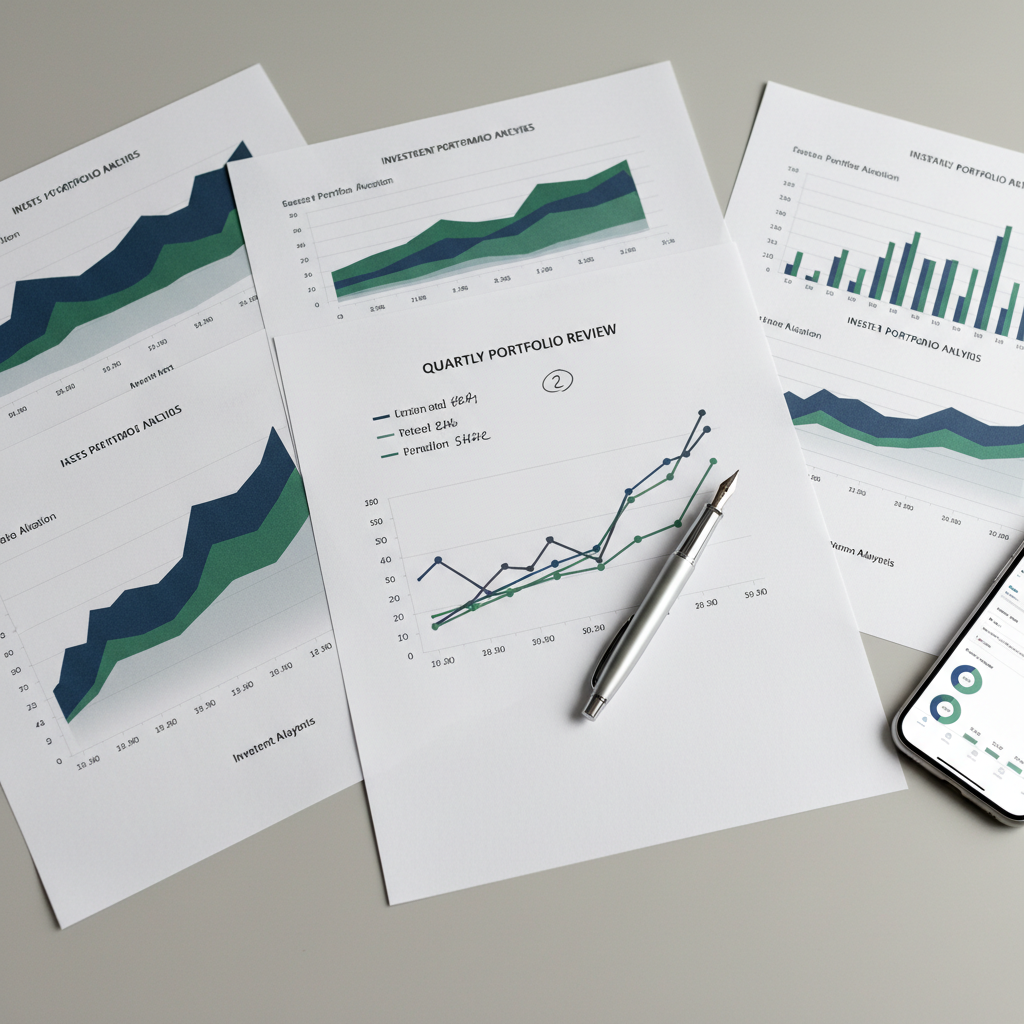
Financial statements are the backbone of bookkeeping. There are three primary types of financial statements every entrepreneur should be familiar with:
- Income Statement: This document summarizes your revenue, expenses, and profits over a specific period.
- Balance Sheet: It provides a snapshot of your business's financial position, listing assets, liabilities, and equity.
- Cash Flow Statement: This statement tracks the inflow and outflow of cash, highlighting your business's liquidity.
Recording Transactions Accurately
Accurate transaction recording is crucial for reliable bookkeeping. Ensure every financial transaction, whether it's sales, purchases, or payments, is recorded promptly and correctly. Categorize each transaction under appropriate accounts to maintain an organized ledger.
Utilize your bookkeeping software to automate recurring transactions and reduce the chances of errors. Regularly reconcile your accounts with bank statements to catch discrepancies early.
Tracking Expenses and Revenue
Tracking your expenses and revenue is vital for maintaining a healthy cash flow. Keep all receipts and invoices organized, and categorize expenses to gain insights into your spending patterns. This practice helps in budgeting and identifying areas where you can cut costs.

Managing Accounts Receivable and Payable
Efficient management of accounts receivable and payable ensures your business remains solvent. Stay on top of invoicing customers promptly and follow up on overdue payments. For accounts payable, make sure to pay your suppliers on time to sustain good business relationships and avoid late fees.
Staying Compliant with Tax Regulations
Understanding tax obligations is a crucial part of bookkeeping. Familiarize yourself with the taxes applicable to your business and deadlines for filing. Accurate bookkeeping simplifies tax preparation and ensures compliance with regulations.
Consider consulting a tax professional for guidance and to maximize deductions, enhancing your business’s profitability.

Conclusion
Mastering the basics of bookkeeping empowers entrepreneurs to maintain control over their business finances. By implementing a robust system, recording transactions accurately, and staying compliant with tax regulations, you can ensure financial stability and focus on growing your business.
Remember, while DIY bookkeeping is feasible, don’t hesitate to seek professional advice when necessary to optimize your financial strategy.